
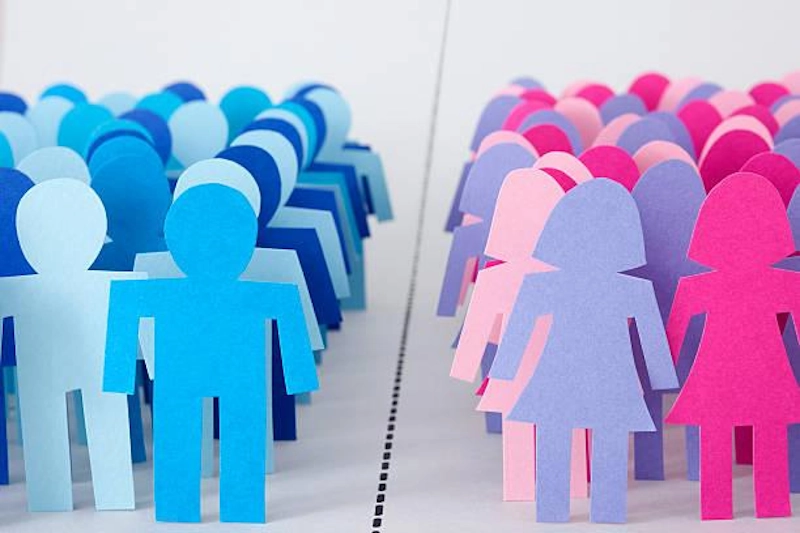
Everyone has their own idea of what it means to be a man or woman. But these ideas can put pressure on people, especially during gender transition. Gender expectations can make you feel like you need to look or act a certain way to fit in. The good news? You don’t have to follow anyone else’s rules. Your transition is about you and what makes you feel like yourself.
Understanding Gender Expectations During Transition
Growing up, most of us hear things about how boys and girls should act. Boys are often told to be tough and strong. Girls are told to be kind, gentle and care about how they look. These ideas are called gender norms. They can shape how we dress, speak and act. They can also affect how we see ourselves.
This is known as gender socialization. It means learning what society expects from us based on gender. For people going through gender transition, these social norms can add a lot of pressure. You may feel like you need to look more like a man or a woman to fit in. You might also feel like you need to change your hair, clothes, voice or body to be accepted by others.
But here’s the thing. Not everyone wants the same changes. Some people may want surgery to feel better in their bodies. Others may want to change their name, clothes or how they look. Some may choose both, while others may not want any medical care.
There is no right or wrong way to transition. Your gender identity is about who you are, not how you look. You do not have to follow traditional gender roles to prove anything to anyone. Gender equality means everyone should be treated with the same care and respect, no matter how they identify.
At the end of the day, your transition should be about what makes you happy and comfortable, not what others expect from you.
How Social Media and Comparison Shape Expectations
Social media can be a great way to meet people and find support during gender transition. You can hear stories from others, ask questions and learn about their lives. However, social media can also make you feel like you’re not doing enough. You might see someone share photos after surgery to talk about how much their body has changed. While it's nice to see others happy with their progress, it can be hard not to compare yourself.
What you don’t always see are the tough days. You may not see the long wait for care, the stress or the time it took someone to feel good about their progress. When you only see the good parts, it’s easy to think you’re falling behind. But everyone moves at their own pace. What works for one person may not work for you and that’s okay.
If you find yourself comparing your journey to others online, here are a few things that may help:
- Take a break: Spend less time on pages and feeds that make you feel bad about yourself.
- Follow people who lift you up: Look for people who share real stories, not just the good moments.
- Stop watching the clock: There is no set time for when you should reach a goal.
- Think about what you want: Focus on the changes that matter to you.
Social media can be a good place to find support. Just don’t let it make you feel like your own process isn’t enough
Recognizing Perfectionism During Gender Transition
It’s normal to have goals during gender transition. You may be looking forward to changes in your body or the way you look. You might also have plans for surgery or other types of care. But sometimes, wanting to reach a goal can turn into feeling like you need to be perfect. You may think you’ll only feel happy once you look a certain way or you might feel like you need to reach every goal before you can enjoy your life.
This can lead to stress and make it harder to feel proud of yourself. You may start to focus so much on what you want to change that you forget about how far you’ve already come. If this sounds like you, it may help to ask yourself a few questions:
- Am I doing this because it’s what I want?
- Do I feel like I need to look a certain way to fit in?
- Am I proud of the steps I’ve already taken?
- Am I giving myself enough time to reach my goals?
There is nothing wrong with wanting to make changes. But you shouldn’t feel like you need to be perfect to be happy. It’s also okay if your goals change. You may find that something you once wanted no longer feels right for you. That doesn’t mean you’re giving up. It just means you’re learning more about yourself.
Setting Realistic and Personal Gender-Affirming Goals
No two people have the same transition. Some may want to make many changes, while others may only want to make a few. The most important thing is to set goals that feel right for you. During the transition phase, it can help to take things one step at a time. You don’t need to figure everything out right away.
Start by thinking about what would make you feel more at ease in your day-to-day life. Maybe you want to try a new hairstyle or start using a different name. You may want to learn more about surgery or talk to your doctor about your options. Your goals may also depend on your health, money, work or the care you can get. These things can affect how fast you move forward. Here are a few ways to make your goals easier to manage:
- Take small steps: Pick one or two things you want to focus on.
- Give yourself time: You don’t need to rush to reach your goals.
- Ask for help: Talk to people you trust or a doctor who knows about gender-affirming care.
- Be open to change: It’s okay if what you want now is different from what you want later.
- Notice your progress: Be proud of the steps you’ve taken, even the small ones.
It’s also good to think about what will make you happy in the long term. You may find that some goals are more important to you than others. You may also find that you don’t need to make every change you once thought you did. If surgery is one of your goals, talking with a care team can help you learn what is possible and what to expect. The goal isn’t to have a perfect transition. It’s to make choices that help you feel more like yourself.
Embracing Progress Beyond Gender Expectations
Gender transition is about more than how you look. It’s also about learning what makes you happy, feeling good about yourself and building a life that feels right for you. Not every big moment will be something others can see. Maybe you feel more confident wearing clothes you love, become closer to friends or family who support you or maybe you feel more at ease when you look in the mirror.
These moments matter, too. There will be good days and hard days. Your plans may change along the way. Try not to be too hard on yourself when things don’t go as planned. You don't need to meet anyone else’s gender expectations to be proud of who you are.
At ART Surgical, we know that everyone’s needs and goals are different. Our team is here to answer your questions and help you learn more about gender-affirming surgery options.
Thinking about taking the next step? Contact ART Surgical today to schedule a consultation and learn more about the care that’s right for you.