
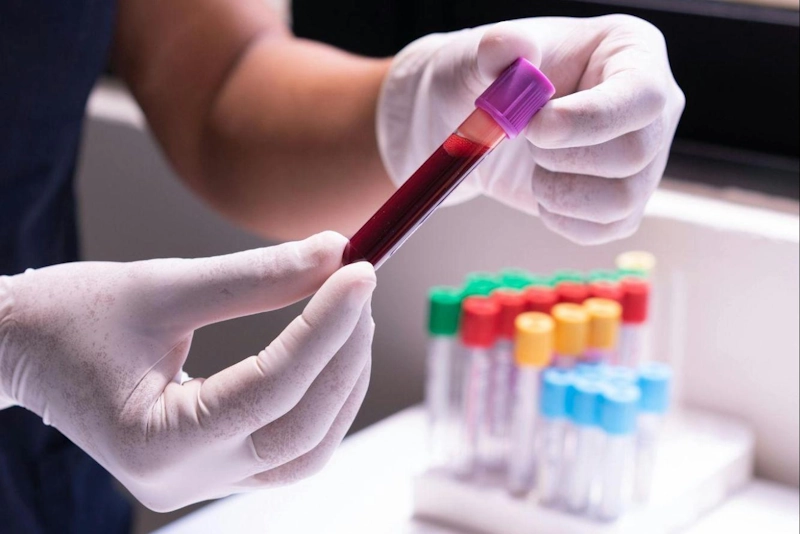
Understanding your hormone levels is a key part of safe and effective gender-affirming care. Learn what your hormone levels mean, why they matter, and how tracking them over time supports your health and transition goals.
Understanding Hormone Levels During Transgender Care
Understanding hormone levels is a key part of providing safe and effective gender-affirming care. Hormones are chemical messengers in the body. Hormones include estrogen and testosterone. These hormones regulate a wide range of physical processes. They help with growth and metabolism. They also affect mood and the development of secondary sex characteristics. In transgender care, doctors monitor these hormone levels to help match a person's physical traits with gender identity while minimizing health risks. Keeping hormone levels within a target range helps make sure that treatment is both effective and medically appropriate for each individual.
Gender-affirming hormone therapy typically involves introducing or adjusting levels of hormones. This adjustment of estrogen or testosterone brings about desired physical changes.
For example, estrogen therapy may promote breast development. It can also soften skin. Testosterone can deepen the voice and increase muscle mass. These changes occur gradually. They vary from person to person. Hormone therapy influences multiple body systems. It is considered an ongoing form of medical care. It is not a one-time treatment.
Regular monitoring through blood tests and check-ins with doctors is needed to track progress. You may also adjust dosages if needed.
Common Lab Tests Used to Monitor Transgender Hormones
Common lab tests help monitor gender-affirming hormone therapy. They keep treatment both safe and effective over time. Two of the most frequently checked hormones are estradiol and testosterone. Estradiol is a form of estrogen. Measuring it helps doctors understand how much feminizing hormone is in the body. It shows if levels are within a desired range.
Testosterone testing shows the amount of the masculinizing hormone in the body. This is important for people taking testosterone. It's also important for those using estrogen who may need testosterone levels suppressed.
In addition to hormone levels, doctors often monitor metabolic markers. These include liver function, cholesterol, and glucose. These help give a broader picture of how the body is responding to treatment. These tests can indicate how well the liver is processing medications. They also show whether cholesterol levels are changing, and how the body is managing blood sugar.
Tracking these values over time allows doctors to make informed adjustments to hormone therapy. These changes are based on each person's response. They do not rely on a single test. Trends across multiple lab results offer a clearer picture of progress and safety. This ongoing monitoring helps reduce potential risks. It also supports overall health, and ensures that hormone therapy continues to meet an individual's goals.
What Your Hormone Levels Mean and Why They Change
Hormone levels are usually viewed within target ranges. There aren't fixed "perfect" numbers. Those ranges can change depending on whether someone is taking estrogen or testosterone. During treatment, levels may be adjusted to fall within ranges that support desired physical changes while maintaining overall health. It's also normal for hormone levels to go up and down.
Many factors affect this. These include medication dosage and the timing of a dose relative to when blood is drawn. It may also include the method of delivery (such as injections, pills, or patches). Each person's unique biology can all influence results as well. Because of this, a single lab test doesn't tell the whole story.
Instead, doctors look at hormone levels alongside physical changes, symptoms, and overall well-being. Trends over time are often more meaningful than one-time readings. Trends help guide thoughtful adjustments to therapy. These numbers are just one part of a broader picture. Knowing this can make the process less stressful. It reinforces that hormone therapy is personalized, flexible, and focused on both safety and long-term results.
When to Follow Up About Your Hormone Levels
Following up on your hormone levels allows you to stay safe and get the most out of gender-affirming care. Regular check-ins with your healthcare provider help your treatment stay on track. They often take place every few months when starting or adjusting therapy. They become less frequent once levels are evened out.
Always ask questions if you don't understand your lab results or what they mean for your care. You should also reach out sooner if you notice unexpected symptoms. Symptoms might be sudden mood changes and being overly tired.
Physical changes that don't align with your goals are also symptoms. These follow-ups allow your doctors to make timely changes and support your overall health while keeping your treatment effective.
Taking an Active Role in Understanding Your Hormone Levels
Understanding your hormone levels can help you feel more confident and less uncertain during your gender-affirming care. Knowing what your hormones do, why lab tests are important, and how levels can change over time makes it easier to understand your treatment.
All this helps you talk with your doctors as well. You should stay involved in your progress. Attend appointments. Ask questions. Review your results. All this helps keep your care safe and effective.
If you want clear guidance and personalized support, ART Surgical is here to help you navigate each step with confidence.